Infantry Officer to Clinical Research Project Manager
Disclaimer: The views expressed by the hosts and guests on this show are their own. They don't represent any branch of service, employer, or organization they're affiliated with.
Listen
Chapters
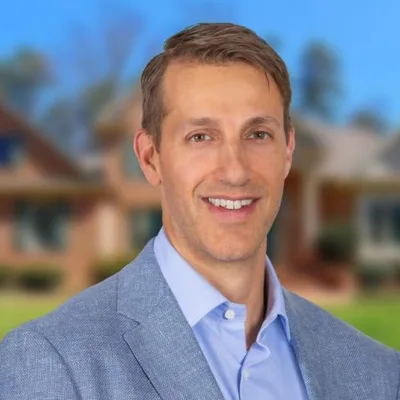
Pete MarstonPMP®
Commissioned through ROTC in 2002 and served as an Army infantry officer with the 10th Mountain Division at Fort Drum, as a platoon leader in Iraq and then for 18 months as rear detachment commander while his battalion fought in Afghanistan, before moving to the Reserve. Spent 12 years in project management, change management and sales in clinical research, at INC Research (now Syneos) and PRA Health Sciences (now ICON), where he built a veteran hiring program. In real estate since 2019, he's a broker with Relevate Real Estate in Raleigh, North Carolina, and the founder of Raleigh Veteran Connect, a network of more than 2,000 veterans in the area. Holds the PMP® and an MBA.
Show highlights
- His first job at Fort Drum was getting a battalion's new vehicles to the railhead, which ended with him and his wife crawling under a locked fence in the rain to paint numbers on them.
- He tells veterans, and senior NCOs most of all, that the thing they're great at without realizing it is identifying and mitigating risk.
- He spent 18 months as rear detachment commander while his battalion took more than 250 casualties in Kunar, and called it the hardest thing he's ever done.
- He starts with every real estate client by working out the worst case and asking whether they can live with it, which he says frees you to think.
- He got his first civilian job from a card handed to him at a Military Officers Association of America job fair in Washington, D.C.
- His first project was a clinical trial rescued from another company, handed to him with six books, a few weeks of shadowing and no training program.
- He learned a 1,000-line project schedule by walking through it with each functional lead and asking what he was missing.
- A former Army colonel running operations told him the difference between combat operations and clinical research is the nouns. The verbs are the same.
- He argues a good project manager should be a decent seller too, because military leaders sell ideas and resources all the time without calling it that.
- On career growth, he says to manage projects that affect how the company makes money rather than count on the next certification to raise your pay.
- Raleigh Veteran Connect began with veterans passing his name around for introductions and now has more than 2,000 members and monthly events.
Pete Marston grew up in Minnesota playing hockey, commissioned through ROTC in 2002 and went to the 10th Mountain Division at Fort Drum, where he spent his whole active-duty career. He arrived as a new lieutenant during block leave, just before a deployment that changed from Afghanistan to Iraq, turning a light infantry battalion into a motorized one with almost nobody around to do it. His first unofficial job was getting the battalion's new vehicles to the railhead, and on the last night, with the fencing locked and no soldiers available, he and his wife crawled under it in the rain to paint the numbers on. He went on to be a platoon leader in Fallujah and a company executive officer, and then spent 18 months as rear detachment commander while his battalion fought in Kunar in 2006 and 2007, taking more than 250 casualties. That job also meant moving the battalion into another unit's footprint at Fort Drum with wounded soldiers and no budget. He tells veterans that the skill they're great at without knowing it is identifying and mitigating risk, and he still opens every real estate client meeting by working out the worst case first.
He left active duty for the Reserve at a little over six years with no plan. Around the time he was visiting soldiers at Walter Reed, he went to a Military Officers Association of America job fair in Washington, D.C., where the vice president of operations for INC Research, now Syneos, a retired armor colonel, gave him a card. He was hired as an entry-level project manager, handed six books and a few weeks of shadowing, and put on a rescue study, a biotech trial taken over from a company that was failing with it. He had no science background and didn't know the vocabulary, so he took the 1,000-line schedule to each functional lead in turn and asked how it linked together and what he was missing. When the same vice president asked him the difference between combat operations and clinical research, the answer was the nouns. The verbs are exactly the same. Pete later built a veteran hiring program at another company in the industry, earned the PMP® and an MBA, and owned and sold a franchise business.
The second half of the conversation is about what makes a project manager valuable. Pete argues that military leaders sell ideas and resources constantly without calling it selling, and that a project manager who can't sell is limited in the same way a seller who can't deliver puts the company at risk. His case is that a company cares about how it makes money, not about your development, so the projects worth managing are the ones that touch margin. Mike adds that where a company puts its money shows what its priorities really are. He moved into real estate in 2019 and is now a broker with Relevate Real Estate, which he describes as the same work again. He also founded Raleigh Veteran Connect, which started when veterans he couldn't hire began passing his name around for introductions. It now has more than 2,000 members, mostly former NCOs and officers, and holds monthly events in the Raleigh area. Any veteran is welcome, he says, though he'd rather it wasn't passed to HR recruiters with no military background.
Transcript
AI-assisted transcript, lightly edited. May contain errors.
Everyone, welcome back to another episode of the Veterans in Project Management podcast, which I still seem to trip over every time I say it , in fewer syllables.
joined as always by Mike Shick. Mike, good to see you again, buddy. How you doing?
I'm doing well, Stuart. Thank you so much. It's my pleasure to introduce Pete. Pete's,spent his time in the Army seven years of it as an intry- excuse me, my goodness, seven years as an infantry officer, back in early 2000...
Y- you commission in, 2002, correct, out of ROTC?
You got it. Yep, that's exactly right.
Excellent. So, seven years in the Army infantry. That was, that was certainly a busy time, in our military. So, d- where were you stationed at?
Yeah, I mean, I was a, I was a 10th Mountain guy, Fort Drum. So yeah, I spent all my time at Fort Drum.
Once you're at Fort Drum, you don't get to leave.
Yeah.
they pretty much kinda conscript you for a while.
Y- yeah, I'll tell you. So, you know, there's a few bases in the Air Force that are like that and, you know, names associated with it, so I definitely can appreciate that. y- are you... You're a Midwest guy, correct?
yeah. I grew up, grew up in Minnesota, went to, went to college in Minnesota. you know, played hockey, spent my time on the pond, and typical Minnesota, you know, youth, childhood growing up there.
Oh, well, I'll tell you, so I grew up in Michigan myself and played hockey all through my youth as well.
So I'm sure there's a, a little bit of friendly rivalry there, notwithstanding the Army-Air Force relationship, so.
Right. The friendly rivalry that could be between you two is hockey? Yeah.
Yeah.
Well, a- and then Stuart with the Navy, I mean, you know, that- From different places ... we can talk about that later.
So, after, after college, I'm s- I'm assuming you, you went through like, IOBC a- and all of that, and you went to Fort Drum. were you there for all seven years?
Yeah, I was there for... I mean, outside of being at,you know, Fort Benning for, you know, training, yeah, all, the whole time was, the rest of the time was at Fort Drum.
Or, you know, being deployed. Yeah.
Yeah. Yeah. So what type of roles did you have,early in your career and as you progressed for, through the first seven?
Yeah, I mean, I was t- typical stuff. You know, it's an interesting story, though. When I first, got to Fort Drum, I was, the, the battalion I went to was, on, on block leave and, it was block leave before a deployment.
So I showed up, you know, new lieutenant with, no experience just right before a deployment and, everybody was gone and, At the time we were supposed to go to Afghanistan, and during block leave that was changed from, Afghanistan to Iraq. And we went from being a, an, a completely light infantry battalion to all of a sudden now we're a motorized infantry battalion.
And, there wasn't a whole lot of people around to make that conversion. And so that was my introduction to, "Hey, Pete, why don't you, figure out how to get all these, vehicles and weapon systems and mounts that we've never had before in our MTO and get them, not only into the battalion, but also get them, to the rail head."
And so we could get them, you know, on ships. And so it was my... that was my unofficial first job was, trying to organize that chaos and,paint a picture, that entailed me, envision all a bunch of vehicles at a rail head, you know, around, surrounded by fencing. And, now you have all of your, you know, stickers and the numbers that need to be on the vehicles, and you gotta get them on there.
You know, it's the last day. They gotta get on there before, before they go, on trains. And, somebody locked all the fencing, so couldn't get in. And I had no s- and I had no soldiers to do this work either. So, the only person I had with me was my wife. And, and we were crawling, we were pulling up the edge of the fencing, crawling underneath to, to, paint, spray paint numbers on vehicles, you know, 12 hours before the vehicles go onto, onto the rail head. So, you know, what did my- What could go wrong? What could go wrong there? Well, yeah. I, they all made it there. They were, they were in pretty rough shape 'cause nobody wanted to give us good stuff, you know?
Everybody gave us their used, beat up stuff. But, we might've had to jumpstart some things and push a few on, but we got them there. so when you ask what were my jobs, well, I don't know what you'd call that. but that's where I started. And,
Creative director, I think.
Yeah. Well, it- So it started-
It, it- What? S- sorry to jump in, but I'll tell you. Talk about, not only a, a, an introduction to a new unit, but, Right ... a, an appreciation of risk management, maybe even planning if anything else.
Yeah. You know, I mean, we could come back to this, but there's something I tell a lot of veterans today is, you know, there's one thing that you are good at, not only good at, you're probably great at, that you don't even realize, especially senior NCOs, is- Identifying and mitigating risk.
and, a- and I like to throw in there calling BS when you see it. especially for senior NCOs. Yes. But, like, you know, that skill set to identify and mitis- mitigate risk, you know, at the time I didn't think about that as project management or anything. I was just, this is what I needed to do and, you know, baptism by fire.
So yeah, for
sure. It's so funny, isn't it? You kind of, in the conversations that we've had as the podcast going on, in conversations with your friends, you're just kind of talking about the thing that you do day to day, and you don't really name it or think of it as particularly unique. But almost everyone that we've talked to has a similar story.
Like, that unique ability, that just second nature way of thinking and to see things in the blocks as they stick together. It really is a tell that there's some underlying project management in there somewhere, even if you don't know to identify it.
Yeah. Yeah, absolutely. Absolutely. Yeah. So, yeah, I mean, your question was what did I do in, you know, what did I do in the Army?
I mean, typical stuff. Yeah. So, you know, platoon leader, you know, company executive officer. And then, I ended up being a, a rear detachment commander. so, you know, as a young O-3, we were in that time period of, like, '06, '07, and, I was a, an, an O-3 and a new captain. And, you know, just like Fort Drum, you can't get out of.
Once you were in a unit in that timeframe, it was difficult to leave a unit because they needed every body. Mm-hmm. And so as a senior O-3, where, okay, where are you gonna stick everybody? You need all these bodies, but where are you gonna stick everybody? And nobody was really going to school, going to the Career Course, or just going to anything.
So I was on a, 25-mile road march, and, my battalion commander walked up to me and said, "Hey, Pete, I think I'm gonna have you be our rear detachment commander," which at the time was a gut punch. You know, it was kinda like, wait a minute, what'd I do wrong?
Yeah.
And he said, our division commander's guidance was to leave the, you know, leave an officer that's gonna hurt, that's gonna feel like it hurts to, to leave because what we're about to do is going to be traumatic, and we need somebody that we can trust.
And so I ended up in a rear detachment command- Positioned for 18 months, and it was probably the hardest thing I've ever done. we had a few hundred... If you're familiar with Afghanistan and, you know, you, it sounds like you are, Mike. our battalion was in Kunar in, in '06, '07.
Mm-hmm.
and so we had, you know- in the, you know, 250-plus range of, you know, casualties, you know, across the battalion task force probably, you know, over 20, you know, KAs, I think, just in that battalion.
Mm-hmm ... and an extension of six months, in that deployment.
Mm-hmm.
And on top of that, our battalion footprint on Fort Drum needed to move from one location to another, which was an infantry battalion into a field artillery unit's space. And if you know field artillery, they don't have as much individual equipment, so their arms rooms are smaller.
And now I have... And their barracks were supposed to be reha- rehabilitated, so- ... there was a lot going on at the same time. It's, it was, And you had no resources and money, so here you go, Pete. Mm-hmm. Make it all work.
Yes. A- and the reduced, I'm assuming reduced personnel because you're in rear D. Oh,
I mean, I had, yeah, nobody, and if the people that I did have were wounded, you know?
Yeah. And so now I'm, you know, "Here, guys. Like, we're gonna paint some walls," you know? Like, that's great for a guy that just got shot, you know? So-
Yeah.
It was,I mean, it wasn't traumatic in that, in the sense of what, you know, our boys are doing down range. It was just very challenging. You know, from a project management perspective, there are a lot of different competing priorities and different things and, you know, yeah.
So it was a good introduction to a, a different type of management than, you know, managing at a, you know, the scale I had been.
Yeah. W- so let me ask you this. Mm-hmm. Okay, and, i- this is just more f- because I don't... I understand what rear D is. Yeah. But how does that look, just out of curiosity from a command perspective?
Because essentially you had 18 months of rear D command. Yeah ... does, did that count for your company command time or did that count for-
I mean, tech- te- technically, yes, it can. i- in terms of what... Or it could at the time. in reality, no, you know, in terms of promotion and that kind of thing.
So I needed to go back and command, in order to stay. I really needed that command time, which I did not, I didn't take in, in, in active duty. I left and went into the Reserve,
Got
it ... and I did not take the, the active duty command. It was, Yeah, it was time. I knew it was time for me to leave.
I had been offered to take a command a- you know, from the same battalion right when they came back. You know, no career course here. we'll pat you on the back, you can go and take this command and deploy. but again, there was gonna be no ability to go to the career course, which in the end was gonna kind of bite you in the butt because now you're way past your timeframe to go to the career course.
And so anyway- Yeah ... long story short, I just looked at a lot of- It's impressive ... a lot of factors and went, "You know what?" I mean, I watched a lot of... I went to a lot of funerals and, I was kind of, I was kind of over that- Yeah ... that point. Mm-hmm. So. I
can appreciate that. It's surprising how the timing sometimes aligns.
You kind of get people who go through and the time just all falls into place, and it seems like it's a very linear path that once you're on that train, it's moving. But there's lots of occasions where once you get out of sequence from out of line, it's- Yeah ... almost like it's compounding.
I mean, maybe I could have worked it.
I mean, I was... it ended up, you know, a lot... Again, I mean, when you say rear D a lot of people will get, have a perspective of it. I know what it was when I was there and what it was for. and, I don't know that... I think I could have recovered some of that time and I could have done well in terms of like, you know, I mean, all my OERs and all that kind of stuff were very strong.
So like, I think I probably could have recovered, but I mean, I don't know. I mean, that's who- Yeah ... who knows. It was 20 years ago, so does it really matter
anymore?
yeah.
Yeah, exactly. Do you find-
Go ahead, Stuart.
That's all right. I was just gonna say, do you find... So my, I was Navy Reserves for a few years, never deployed, so that's kind of, my adjacent career.
The project management adjacent thing was more on the civilian side. So when I first started, it was around the financial crisis stuff, 2008. no, early 2000s. So what crisis was that? Tech bubble. yeah. So I was aligning my te- my crises. So, And project resistance in the IT world around that for big bank, it was very shut down.
It was kind of cut to the quick, close everything down, minimum amount of expenditure. We need to get through this timeframe, and then everything picks up again afterwards. So they were very effective at kind of shutting everything down and almost coming from, I don't want to say a scarcity mindset, but a, we're definitely shutting things down and keeping control.
So beginning there, that really has anchored a lot of my perspective all the way through the next 20, 25 years. Do you find the same there? You were in a scenario where from a project management perspective, you were in a massively competing,priorities, low resources. Do you find- Right ... that's kind of anchored a little bit of a perspective going through as opposed to someone else who maybe is in an abundance type world and-
Yeah.
I mean, I'm sure that everybody thinks that they're in a scarcity, you know. There's never enough. There's never enough money, there's never enough time, there's never enough people. You know what I mean? It doesn't matter what you have. But, but yeah, I mean, those were, y- you know, platoon leader in Iraq and, you know, when I was in, y- you know, we were in Fallujah for the majority of that time.
And so, like, you know, early in the war and so, like, all of those really shaped my, my perspective on, on project management, going back to risk mitigation, risk identification. And-
Right ...
even in clients, you know, I'm in real estate today. We can kind of talk about that journey in a minute, but, like, even my clients today, when I first meet them, I tell them, "Look, I look at things from a risk perspective.
I look at things from what's the worst case scenario, and then, you know, can we live with that? And, you know, let's evaluate that worst case scenario and then work backwards." And I- ... you know, it's may sound pessimistic, but actually it's a very optimistic, you know, perspective 'cause it frees you and it frees your ability to think if you're not worried about what the risk or what the problem is.
It actually opens up your mind.
Right.
And so,
From un- unknown to known, it kind of gives you that freedom to think about the reality of the situation and not the look, not look over here 'cause it's-
Yeah. You're never worried about the boogeyman 'cause you've already talked about the boogeyman. Right.
And, you know, I even in ... I, you know, it's funny, when I was on the rear detachment and I remember talking with a spouse that had lost her husband, and I'll never forget the conversation. She said, "You know One of the best things that he ever did for me was plan out everything that needed to be done if something happened.
And it wasn't the basics, it was down to the, you know, dot your Is, cross your Ts.
Mm-hmm.
And so she, they planned for the worst case scenario, and it made her life significant easier, significantly easier than everybody else that I ran across who was in a similar situation. So, you know, the, when you ask all of those little things, all those little experiences that I had absolutely shaped from, you know, combat operations in Fallujah to working with, you know, spouses that are, of, of- Yeah
essentially friends, you know?
Yeah. So- Well, a- and I think the other aspect when we talk about risk, and I appreciate you sharing that. That, that's, that those are har- hard things to deal with. I've, unfortunately had to deal with some of that myself, and, it, it's, it's a difficult space.
But looking at it from risk, and your point that you were making, about it kind of frees you. The other aspect, and certainly before my, my time in project management, I always looked at risk as a negative thing. risk, there are opportunities that come from risk, and simply avoiding risk isn't always, the right answer.
You can transfer risk, you can,look at accepting it. Certainly the avoiding, but, you know, there's several approaches that people can take, and it's not just simply saying, "Yeah, there's a risk, and let's move away from it." Sometimes you don't have that choice.
Right.
Some- sometimes you just gotta, you know, do whatever you can.
Know that you're gonna hit that wall, and then set up protective measures so to speak on, on, for impact. Yeah. So.
Yeah, I mean, absolutely. I mean, I think you mentioned transferring risk. I mean, that's a hu- I mean, in the private sector, the ability to transfer risk. I mean, you think about what is insurance?
It's just a transfer of risk, right? So, like,
Getting a realtor.
Yeah, getting a r- exactly. You know? and,we're constantly transferring risk in our life. And, you know, there's no difference in managing projects. you know, b- before being a realtor I, you know, we'll talk again in a little more detail about my- overall, like real project management background.
But yeah, in terms of like mitigating and who's the risk owner, right? And those things don't go away. is it my client because it's their decision, and we've walked through and like they own it, and they know they own that, they own the risk that they're making the decision? Or is it me because, you know, it's my plan and, you know, I've got to make something happen?
yeah, so I mean, I- You know, when I fell into the private sector, one of the, the leaders of, the organization that I was in, he was a, a retired O-6 armor guy, and there's very few people like me i- in the organization. In fact, I was pretty much one of one. And,
Mm-hmm ...
and he,he really structured a lot of...
He was the VP of operations for this, this company, and he really structured everything around some of the just MDMP, you know, basic, you know, almost c- you know, company grade, field grade, you know, level, planning, and it just made a lot of sense. And I think what they were looking for when they hired somebody like me was how do you implement...
you can teach that to people-
Mm-hmm ...
but until they see it and they feel it, they don't fully understand it. W- you know, we took adv- we took, in the military we kind of take for granted the culture around us that we're talking about, that understands and really everything is about risk. and you can kind of see it, touch it, feel it.
But you go into a private sector, and that's not always how they operate. And so I think they were really looking for how do we integrate that mindset into the operations of our business. I didn't know it at the time. Somehow I ended up getting hired there and but over time, that's what I realized or what was different about me, because I didn't have the technical background.
I didn't have the PhD, the, the credentials that a lot of the people around me had, and they would often... I had to kind of reflect on what, what made me different? Why am I succe- why am I just as successful, if not more in some cases, than some of my peers? How am I, how is this happening? And it's all of this kind of mindset that really what drove me to be, you know, fairly successful for somebody without the technical background.
So
it's- Something I've hired... sorry, Mike. I've hired before for similar reasons, and I think it's that commonality of language If you have to explain the nuance of every phrase or the underlying, the subconscious elements that we take for granted because it's that commonality of framework, if you have to explain that every time, it really slows down.
So even if there's a technical element that can be taught or a business, some business knowledge that you need to gain, that underlying benchmark, yeah, it's funny you mention it. I've had for exactly the same reasons, because we needed to move at a speed in a direction that the things that aren't said are as important as the things that are said, and the assumed understanding that this is where we're going comes from that past experience.
Right. Yeah. It goes from, comes from crawling under fences, and by the way, it was also raining when we were trying to paint those numbers on the vehicle. So yeah, it comes from stuff like that, you know? Yeah.
Right. And that's demonstrating a skill in relationship management as well, because if you managed to not fall out too much with,the wife or girlfriend that you'd roped into it as well, then that's clearly good, relationship management.
There you go. Stakeholder management.
You got it. Yeah. yeah. So anyway.
So did you transition into the Reserves at around the seven-year mark, or was it more at the four-year mark? How... A- and how did you wind up in, in real estate?
Yeah. yeah. Good question. so yeah, I ended up in, Yeah, I transitioned at about the six, a little over six-year mark and went to the, went to the Reserve.
real estate came in 2019, so I started a real estate business in 2019 and, hung my license with a firm. So between, in, in those years in between, I ended up, growing in project management in clinical research. So I became a project manager leading the clinical development of, new drugs. So, pha- typically phase three clinical trials, you know, working for,a CRO.
If you're familiar with the CRO industry, they're- ... essentially contractors to the pharma industry and they manage, the execution of clinical trials, which can be quite complex, and the deliverable is data. We, you know, we go find the doctors- ... recruit the doctors, consult on the protocols, you know, find the patient populations, design, you know, work with our team to design a collection of data, collect the data, package it all back up, hand it back to them, and they can take it and take it to the FDA is kind of the very simplistic realm that I ended up in.
So- So I have no science background whatsoever. My last science class was in high school. So- So ...
I gotta ask, how'd you go from infantry to- R&D on the pharm side?
Yeah. total happenstance, you know? It was not a planned, exit strategy at all. I,I was visiting some soldiers at Walter Reed, and I was in that timeframe or in that period of like, "Okay, I think I'm gonna get out."
And, you know, at the time there wasn't any of the resources that we have today in terms of transition. It was, you know, you're gonna have to really hunt for a job. And there was a Military Officers Association of America job fair in DC.
Mm-hmm.
And I knew n- nothing about it, but I thought, "Well, I might get out.
That sounds like something I should go to." So I went to it. And it's funny, and I'm s- I didn't even realize. I was, "Oh yeah, this is where the Pentagon is." There's a whole lot of O-5s hanging out in this, you know, and like senior, you know, and E9s that are hanging out in this job fair, y- you know, and then there's me, you know?
And I'm walking around and meeting people in boot booths and there's a company there that just looked different. And I wasn't even really that engaged with them. I was trying to talk to somebody else. And that, that VP of operations for the company,at the time the company's name was INC Research, today they're Syneos.
they're a lot, much larger organization. Mm-hmm. and, He just asked me what I was planning on doing, and I said, "I have no idea." You know? "That's why I'm here." And so we got to talking and, after a 15, 20-minute conversation he handed me his card and said, "Hey, when you're ready to get out, give me a call."
And I kept that card, and I didn't really think much of it. And I went down a lot of different rabbit holes, and one of the things that I kept kind of coming back to was, you know, the, a lot of the things that I was finding were very much the same. Some flavor of similarity. Mm-hmm. And they never really seemed different or interesting and I've always been a guy who wants to do something that's just
I- it doesn't have to be super special, but just the traditional paths never really fit well.
Mm-hmm.
Mm-hmm. So, you know, going to the Home Depot leadership program and this program and that program for, you know, company grade officers, JMOs. Like, none of that stuff really seemed interesting.
Yeah.
And, so I called them back up, got an interview, and you know, came to Raleigh, North Carolina one time, and then they offered me a job and I said, "Okay.
let's do it." And that's is it. it was, a very, very- Was
that project management related from the start or was
that- Yeah. Yeah ... a slightly different role entirely? I, exactly. So the role I was hired for was an entry level project manager role. so I showed up. They literally handed me about six books just off the shelf.
He's pulling books off his shelf and says, "I think you should read these." "Okay." So I- ... I read a handful of books, so I understood a little bit about clinical research and what it was. I mean, very elementary. And then I shadowed a couple of people for a few weeks. There's no training program, no, no handbook, no PowerPoint slides.
I mean, the ... I took the thousand slides, you know, things that you need to take for the company, but nothing that was really relevant to like, this is how we do work. and still didn't really understand it, and found myself on a- leading, funny enough, baptism by fire. So it was a, a rescue study, so meaning the company had rescued it from another company that was failing with it.
a small compound. It was a biotech, and, it was a mess . And that's the project that I got handed and said, "Here."
Any project management, anything coming out at all? No credentials or training or anything from- Zero ... transition? Just-
None. not a lick.
The, the moral, the takeaway of this is just if everyone can just be in the right place at the right time, it works out
Yeah, I mean, yeah, I mean, I mean, I- With
the right skills and the right capacity- It was- ... and all of the other stuff, obviously ...
it was stressful- ... because like I... And people will ask me, "Well, how did, what did you do? How did you do this? Like, how did you figure this out?" 'Cause I didn't even know the nouns.
I mean, I didn't even know- ... the words . Like, I didn't know anything. And- Here's
something failing. Why don't you fix it?
Yeah, exactly. If something's failing, we'll see. If he fixes it, we'll keep him. If not, he's gonna go.
With low risk anyway .
Yeah. Yeah, exactly. So he- what I did was I found the shell of an MS Project timeline for this project that wasn't really well done from the prior company.
And, it had all the different functional sections. So we had biostatistics and data management and clinical, you know, labs and vendors and, you know, 1,000-line MS Project timeline And I didn't understand any of it. But what I did know is that I had specific leads. I had functional leads. I had somebody with a PhD in, you know, in biostats who's been doing this for 12 years.
So I'd call up Bob, the biostats guy, and say, "Bob, let's review the timeline." And then I'd say, "Hey, let's l- let's look at, let's look at how this all links together. What am I missing? Okay, is that really supposed to be linked right here?" And that's how I developed my knowledge without telling everybody I didn't know.
I mean, they probably knew that I didn't know anything, but, like, I felt like I was being secretive. And I just, that's how I figured it out, is I just spent time with all the functional leads building that and then talking with them about the tasks and how they're interrelated and what risks there are.
And like, "Hey, wait a minute, this should've been done before." And that's how I built my knowledge, is just- ... institutional knowledge from them, and that's how I learned the nouns, and I just, I dug in and spent that time on the phone. and once I
did that- You know, and it's such a... Right. It's such a reminder as well.
I mean, again, we talk about it so often in the podcast that you've got skills that are translatable into this civilian world. It's just the language is different. But that's such a great demonstration of take away the pharmaceutical element or the particular project, that's virtually identical to spraying numbers on the back of vehicles.
It's here's a problem, here's all the component parts, here's where the blocks sit together, here's the constraints and the deadlines and what definitely needs to be done and what can be mitigated away. The, the specifics of the project are so, To a certain degree, so less relevant to the structure of the fact that you're trying to move this from here to here.
And all of the people who are here doing this day in, day out, they just don't realize, they don't have the language to put around it. It's why it's such- Yeah ... a great opportunity for people who are wired in that way to see the blocks as they stick together. Yeah.
Well, a- and I'll also say it just demonstrates the humility Pete had of being able to walk in and say, "Hey, explain this to me a- and help me understand what I don't know."
it's perfectly acceptable, to walk into a project, especially if you're taking it over, and say, "Help me understand." and you know, the- there's s- sometimes with project managers there's a certain level of, "Oh, I've got this." But to be able to just take a step back and say, "Hey, you know what? Just let's figure this out together.
Tell me what I need to know. What am I missing?" It puts you in a much better position to absorb the information a- and then be able to make critical decisions moving forward.
Yeah. Yeah, I mean, I didn't... Whether or not I would've done that if I walked in there with, knowledge of the industry, would I have done it the same way?
I mean, I don't know. That mean, that... But I didn't ha- It was a fun- it was a forced function of my reality, is that I couldn't do anything because I didn't know the words. And you know, it's funny because a, a couple times things came up in, in, right around that early timeframe, the, that same VP of Operations guy, he came to me and he said, "Pete- He said, what's the difference between combat operations and clinical research?"
And his name is Jeff, and Jeff's a pretty rhetorical guy. Great guy. Very, but very r- sometimes you're like, "What? where are you headed with this?" Like, I have t- I have no idea. So what's the difference between combat operations and clinical research? And I finally said, "Jeff, nobody's shooting at me right now, and that's great."
And he's like, "Nah, Pete. It's the nouns. The verbs are exactly the same." And he walked away, and he turns around and he says, "Learn the nouns, Pete." And that was it. I mean, that's, that is literally it. And fast-forward, you know, a few years down the road, you know, I still don't... I know what I'm doing, but I get put into these d- different projects all the time with different indications, different diseases, different things.
And, a- and I'm not an expert in that indication at all, but I have to understand the protocol for that. You know, it's a 80, 100, 200-page document. I have to understand that protocol and what it's asking our company to do. And it's very, you know, laden with medical terminology. So I would have to go th- I would go through it and highlight.
I'd read the whole thing, highlight everything, things that I didn't understand, that I thought sounded important and I need to know more about. And we'd always have, you know, a, a medical doctor that was a thought leader kind of person who's assigned to that project. So I'd just say, "Doc," like, you know, "I need two hours of your time or three hours of your time, and I'm just gonna ask you all the dumb questions that I have because I don't understand everything."
And I remember at one point going through this really technical document and coming to the realization like I looked at him and I said, " This is literally the equivalent of telling me like sometimes a, a blind squirrel will find a nut." And he's like, "Yeah, pretty much." and I'm like, it's just words. it's literally just you can understand anything.
It's-- I mean, barring like high-level mathematics that's, you know, sending rocket ships out to space. But like for the most part, you can understand just about anything if you just accept that you don't m- don't know the nouns, you don't know the words-
Mm-hmm ...
and you learn them. And then you can use all of that experience of putting pieces together that you did when you were downrange and, you know, doing, you know, whatever it was in the military.
And I, I ended up growing a veteran hiring program for later, a, another company that I had moved to in the same industry. And, and they would ask, They, when I would interview people and I would talk to them, they- They just lacked the context to really understand what we were doing. Yeah. It wasn't that anybody, missed. They had the experience, right? They had the ability to lead. They had the ability, and it was just helping them identify, hey, you can apply whatever it is that you've done.
It doesn't matter if you're a submariner, an infantry officer, a coastie, i- even the Air Force. but you can apply all of those things here. it's really not that big a deal.
that's- I think that's one of the big things about the podcast, one of the reasons to start it in the first place. And Mike's got way more experience than I have in the project management realm, but as we were talking in the early days, it was really this idea that we're talking to people all the time who we know can do the thing.
It's just they either lack an awareness that there is, the thing that they could do or, like you say, lack the language or the confidence to make those, those, those connections for people. And people were out there in the world trying to do this thing, but kind of running up against just like the, they're 90% of the way there.
But a small little 10% focusing people and say, "Hey, there's some language that you could learn," or there's all of these opportunities of stuff that you've done that you can just present in a slightly different way and it will get you over that next fence. So it's really interesting to hear you talk about that in that broader hiring role and seeing more people similar to- Yeah
what we've done in that conversation. Yeah. If I could just get you to see it.
Yeah. and the other aspect that i- and it's particularly interesting, Pete, that you brought it up, and I wonder if it's partly because, you know, you have the experience as infantry and experience in pharmaceuticals, R&D, research and development, and, real estate.
Those are very different career fields, and seeing project management, dealing with a bunch of different stakeholders, all trying to organize them to deliver value, deliver some sort of output, you've been privileged enough to see different languages used, but similar processes over and over again.
And, you know, for those individuals that have a much more myopic view of, hey, I'm a logistician, or I am an, infantry, or I'm a maintenance individual. Yeah, you understand that, but while the lexicon may be different, the processes and how you end up getting to delivery of that product or service, generally speaking, follows a pretty similar pathway.
Yeah. Yeah, I mean, it does. It's, Yeah. I mean, I,it's funny, yeah. You look at my background and you think, "Man, how do these things all interconnect, and how do they all weave together?" And in, in there are some that we haven't talked about. I owned a franchise business. I grew it, and I sold that as well.
Oh, wow. I did get a PMP. I got an MBA. You know what I mean? Like, I've done all the-- I've touched all the bases, you know? And the thing that I've learned, ev-even in the pharma space, you know, I got into, you know, working a lot with our business developers and, you know, standing in front of, you know, pharma execs and r- you know, essentially running and bid defenses and developing strategies to sell $100 million programs.
And, you know, I've touched-- You know, I've, I've-- I help people sell homes, I help people buy h- buy land and sell land and develop land. The thing that I've l- I've learned is that, look, if you can... Kind of bringing in another, another aspect is, and I, that I talk to a lot of veterans about, you know, there's this, this thought of like, "Oh, do I wanna sell or do I wanna be a project manager?"
And I don't think it's either/or. I think maybe you wanna have experiences in both because I think if you think of yourself as only a project manager- Well, if you're a leader in the military, you spend a lot of time selling. You just don't know it because you have to sell ideas and concepts and where you're gonna spend money and where you're gonna send resources, whether that's resources on a large scale in terms of look, you know, where are we, where...
How are we building and developing new submarines to how am I getting equipment around the battlefield, right? you're selling ideas and you're selling thoughts. You have stakeholders. So if you're a great project manager and a great logistician, but you can't sell, you're limited in what you can actually do.
If you're a really good seller and you don't understand how to manage something You might be able to sell, but you've put the, your team and your company at risk because you can't deliver. So if you're a really good project manager, you should probably be a decent seller. And if you're a good seller, you should be a good project manager.
they're not all... It all comes together. There's no secret behind it. There's nothing new. It's like CrossFit, right? Like CrossFit's exercising, right? People have been exercising for a long time. I loved CrossFit, did it for 10 years. But squats, deadlifts, you know, jerks, wall balls, people been doing those for a long time.
It's nothing new. It's just put together, packaged in a new way. I mean, and I think that's the way a lot of, like, veterans should look at what their future looks like, is you're just packaging yourself up in a little bit different way- ... a unique way. It, there's nothing new to what you need to do in order to be successful.
So it's a, it's alm- from your view- ... it's almost, reordering and understa- well, maybe not a reordering. partly a reordering, but understanding competencies and being able to bring them together a- and understanding what you're really capable of, and then doubling down on it.
Yeah. Yeah, absolutely, you know?
And I mean, I was fortunate enough. I mean, it's, I kind of fell into a, a career. I mean, I interviewed all over the place. It wasn't like I just was like, "Oh, well, this landed in Pete's lap." I tried to avoid that form of stuff and try to do something else. but I ended up in that career path and I used it to grow.
Mm-hmm.
I realized that I was getting a, I was getting a really good education in private sector project management. I got an ability to learn the organization. So when people are looking for opportunity, you know, as a, especially as a veteran trying to find their way in project management, you really don't have to land somewhere that you think aligns directly with your background.
Even if there's a little bit of a link there, that's great, but it doesn't really matter. The, 'cause the nouns don't matter. I don't care if you're running, you know, clinical R&D, or you're running construction project management, or you're run- what- or you're running a new, you know, software development.
Whatever it might be, the, it doesn't really matter. And go get that experience And learn how the company, what the company values. I always like to say figure out how they actually make money Because once you figure out how they're act- like, it doesn't... Like, a lot of people focus on themselves and say, "How do I become the best project manager?
How do I become... how do I grow in this project management career?" There's one key in that. You kept saying I. The company doesn't care about I. The company cares about money. The care- the company d- really doesn't care about your growth and your development. I don't care where you go. I don't care what the tagline is.
It doesn't matter The company exists to make money, either as a private company and return maybe some dividends, or to increase the value of their sharehold- for their shareholders. That's it. So position yourself in project management in a way that you're managing projects that can impact how the organization makes money, and where you can learn so that you can then turn- in turn become invaluable to the organization.
Because you learn how they are managing margin and how they are managing money. Now you become an asset to the organization, and the ultimate goal of your career growth comes from that perspective, not from, "What's the next certification I get? Because the next certification I get, now I should get paid more money."
Nah. go figure out how they make money and grow. Anyway, I'll get off my soapbox. Picking
it up from- No, but it's a great point, isn't it? Picking it up from the perspective of them, both in terms of kind of bridging your experience from what you've done to their language to make it easier for them to say yes.
Yeah. Once you're in the role, looking at what their actual drivers are and their outcomes and how they make money, again, positions that success from their perspective and just kind of hold onto those coattails and ride that rather than trying to fight against it and coming from the what's in it for me perspective.
I mean, we've all met people who are kind of that way focused, and it's telling. You can recognize those people pretty quickly.
Right. Well, and on top of that, I think it... Some of it's probably naive people thinking, "Oh, well if I get certain letters behind my name, leadership will see value." But Pete, you make a, an excellent point.
Understanding where the mo- how the money is made, that's the foundation of the business. It's similar in nature to the, the old,saying that to really know what the business is interested in, see where it puts its money. Mm-hmm. and that's really what the priority is, because you're gonna see organizational leaders say a lot of different things, and it'll be a lot of great things, but if it's not resourced, then is that truly a priority?
And I'd venture to say no. And the responsibilities of a project manager is to create value, and if the project that you're developing is not in, alignment with those strategic, initiatives or those objectives and how the organization mon- makes money, are you really bringing value to that organization?
Right. Right.
Yeah. And so anyway, well, no, that, that's fantastic advice, Pete. any final thoughts before we close down this session?
you know- I, I transitioned into, i- into real estate, right?
Mm-hmm.
And, It's been a, an, an, a, a very good transition for me in that space. And, It's been another, another kind of bookmark in the kinda growth of project management.
I mean, it's been maybe even more of an exclamation mark on everything that we've been talking about because you think, "Okay, well, like how does real estate even come close to managing like clinical trials or being an officer in the Army? Like, how does that even relate?" but it really is exactly the same.
I mean, so, you know, people can go out and do things on their own or do things that are kind of alternative career fields and still find, you know, the use of their skillset, you know, in, in, in delivering value for clients and managing projects and yeah. So I mean, there's just, there's a plethora of stuff that people can do that is, not necessarily exactly what you think of when you think of project management, PMP, PMI, you know, Institute.
You know, these are the companies that project managers work at. there's just so much opportunity out there. so yeah, I'd encourage folks to kinda keep a very broad perspective of how you can use your skillset.
Thank you, Pete. Mm-hmm. Appreciate it. Well said. one, one more quick question for you, as we're coming up on time.
are you still involved with your veterans organization?
Yeah. So thanks for asking. so I did start a... Well, I didn't even really plan to. I started, a nonprofit called Raleigh Veteran Connect. I started as, really from that time when I was in the corporate space running a veteran hiring program and realizing kind of a lack of context that a lot of veterans have.
when I didn't hire somebody, I would, I would tell them, "Hey, you know, I didn't hire you not because you're not talented, but because I just don't think you're gonna like it here, and here's why." And I'd give them two or three reasons why. And I told them, you know, especially these veterans, I'd say, "Hey, why don't, why don't I connect you to two or three people who I think would create, some value for you?"
Mm-hmm. "
would you like that?" "Yeah, of course." Long story short, word kinda got out that I knew a few people. And so a lot of veterans were just passing my name around saying, "Hey, call Pete. he might know somebody for you to get connected to."
Mm-hmm.
And that kept happening, so I finally decided, you know what?
let me see if there's other networks out there that are, that c- that I can broaden this, I can just at- attach myself to. And honestly, I didn't find anything. I did- I found a lot of pedigree-related stuff, you know, if you were a MARSOC guy or a JSOC guy, or you went to one of the, one of the academies.
But even those, when I investigated them, I found they were just more like social clubs. They weren't really helping people grow professionally and find opportunity. And so that's what I decided to do. I said, "You know what? Let me see if I can fill this gap." And, so I started with two or three people coming to an event, and now we have over 2,000 people in the network that, And it's a pretty active network. We have monthly events. We meet up and, we use, use, use the network as a resource to, find opportunity and to grow and to share a lot of things that we're talking about here. And, primarily former leaders in the military, so NCOs and officers in the network. And, you know, it's grown a lot just because of where we're at in Raleigh.
You know, we're very close to Fort Bragg and Camp Lejeune- ... and Seymour Johnson. So-
Yeah ...
there's a lot of transient, you know, people coming and going and retiring from here, so, but yeah. And
is that mainly people local, or is that-
Yeah, I mean it- ... kind
of a broader footprint?
It's mainly local, or people who are planning to move back here.
So you know, people who are retiring out of Europe or something like that or, you know, maybe they're in Virginia Beach and they wanna move here, they have family here. They went to NC State or something like that or, they just liked it when they were at, you know... They didn't really like Fayetteville and Fort Bragg, but they liked the, you know, going to Raleigh on the weekends or something like that.
Or they... So there's a lot of that's, it, but mostly it's local. I've been asked can I grow that in other places? And my answer is no, because I don't have a network anywhere else. Right ... I'd be happy to help somebody figure out how to do it somewhere else, but I don't have a network in Colorado Springs.
Yes. I,
you know, I can't. I don't know business owners and veterans in the community in Colorado Springs. So, but I do in Raleigh, so that's what made it, you know, successful
here. I think that's an exciting opportunity these days as well. There's so much more The likelihood that people can do something local and it make a meaningful difference.
Like if you're local in the middle of the mountains in... I was gonna say Wyoming, but I don't know if there's mountains in Wyoming. If you're in the middle of nowhere in Wyoming, then there's not that many people. But anywhere with the density of people- Right ... to be able to do that real-life piece and to actually make connect- meaningful connections for people, so much opportunity for people to do that out and about and you've clearly demonstrated it in the Raleigh area.
yeah. Yeah, it's been great. Yeah.
Well, Pete- Absolutely ... thank you so much for all the work that you've done. y- you know, for those who are listening and in the Raleigh area, is... You wanna give the website? Is it, raleighveteransconnect.com?
Yeah. Rah- if they just look... If somebody just looks up Raleigh Veteran Connect, you'll find the website.
We're on LinkedIn as well. you know, as long as you're a, a veteran, you're welcome in the network. please don't share it with your HR talent acquisition person that has no vet- veteran background, 'cause I get a lot of those. But yeah, you show up and you be the representative or send someone who is.
But, yeah, it absolutely, you know? And, if any, If anybody wants to buy or sell real estate in Raleigh, I'd be happy to be their guy.
Awesome. But- Well, Pete, thank you so much for your time. i- Yeah, pleasure ... certainly appreciate it. What a fascinating story and, you know, the, the humility that you took, but also understanding that project management with other industries, understanding the processes, understanding the nouns, being able to connect the dots, i- is something that is doable regardless where people ha- are in their career.
And if they have the confidence or at least the, the trust to step forward and take that first step to unders- to understand puts them in a fantastic place. So thank you so much. Stuart, anything before we, close down?
No, it's been fantastic. Really love sharing these stories with people 'cause it just hopefully gives people real-life examples that they can see themselves in and follow the steps.
So as usual, we'll put links to everything in the show notes and give people some easy next steps to take. So fantastic. Thanks for your time, Pete.
Yeah, absolutely, guys. Appreciate it.
Thanks, Pete.